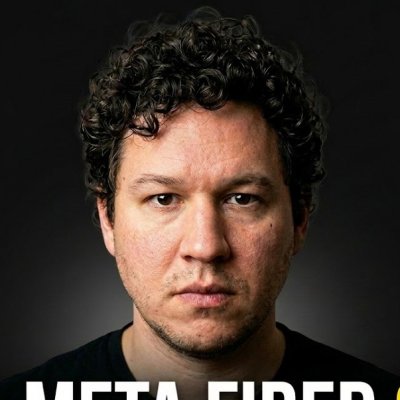
Full transcript of the conversation, published verbatim. Speaker labels come from the recording itself, not from an automated guess.
0:00 · — Intro (this is part 2 of the conversation)
Collin:0:00
We'll grip it, we'll rip it.
Jordan:0:02
Welcome back to the [High Ticket AI Systems] Podcast. Everyone, please welcome part two of Mishra Collins, Slattery Collins. How you doing today, my friend?
Collin:0:10
I'm good Jordan, how are you?
Jordan:0:12
Pretty good brother. Well, thanks for hopping on. For those of you watching, this is actually our second attempt because my internet that day was just dog shit for lack of a better word. So Colin was kind enough to rejoin us here. I think where we left off last time was basically hiring A players and getting the fuck out of the way. And I would love to just understand where you learned that from. is your, you actually hire.
Recruiter right cuz like you said if I fucking suck at something or if I know I'm inadequate at something I'm hiring somebody who's better than me, right?
0:46 · — Why "value-based talent" can't run your systems and what Collin learned the hard way
Collin:0:46
That's right. Yeah. A hundred percent. and I actually looked lucked into it. So it was, kind of my right-hand man is the guy who's great at recruiting. So just, just lucked out with him and having him run it. But, yeah, I learned this cause I tried to do it the other way when I was younger and I was like, I'll make incredible systems and then I will let like more value based talent, right. Run in those systems and I'll get you know, A level output from, you know, C level talent. And it didn't really work out that way. So I kind of reached the conclusion that processes are built for A level people so they don't forget things, right? It's not like, here's exactly how you do everything. It's just like, hey, make sure you don't forget to do this. and yeah, so it's kind of like a guidebook and not a you know, an ABC step type thing.
Jordan:1:50
It just didn't how you bring that up because I've had my fair share of valued based talent and I kind of thought myself the same thing, you know, like if you just follow the system, you should be okay. The issue is, is because they're a C level type of player, they don't follow the system because that's not who their personality is. That's just not, that's why they're not in a player because they just don't follow orders correctly. They don't listen to you. They just do whatever the fuck they want. One might say, you know, and you think you're getting a steal, cause it's like, I have these systems, I'm paying you X dollars an hour, this is going to work out great for me. Fuck no, you do yourself in the foot cause you have to retrain somebody, fire that person, waste time. It's a nightmare.
Collin:2:24
Exactly.
Collin:2:31
Well, and you know, you think your process says one thing and then you see someone else go through it and you're like, how did you get this from what I wrote here? you know, I mean, that's true kind of in all businesses too. It's like, You give something to like a user or a customer and then you see how they use it. And it was like never how you envisioned it was going to be. And that's definitely true, at least in my experience with processes and, and team members. Yeah.
Jordan:3:02
For sure. It's interesting because we, of course, as the creator of the product or the system, we think, there's no way in the world someone's not going to do it the way that I just did it. But people that are vastly different from what I realized. You said your first hire was your right-hand man.
3:21 · — Collin's first hires: an EA in the Philippines, then a graphic designer
Collin:3:21
not a first hire, but a pretty early hire. and I had a relationship with him previously. And so. You know, I kind of lucked out by being able to get people that I otherwise would not have been able to get because of preexisting relationships. but yeah, he was one of the first five or so team members. Yeah.
Jordan:3:41
That's pretty cool. Who was your first hire out of curiosity? What did you first need help with?
Collin:3:50
I guess it was, it was a, the first one that I kept for like a while would have an executive assistant in the Philippines was my first, which I imagine like most people are certainly many people were starting out as kind of their, their first real hire. And then a graphic designer shortly after that. Yeah.
Jordan:4:12
And I assume graphic designer because of what you did from the business side.
Collin:4:15
Right, exactly. lot of Facebook ads and you need ads for that.
4:22 · — Video vs. static vs. carousel: why it's persona-driven, not platform-driven
Jordan:4:22
Right, right, right. When you are working with econ brands, right? Do you say that it really varies on what type of ad converts better video versus static versus carousel? Or do you think it really just depends on the buyer type and what they convert with either video static or carousel?
Collin:4:42
So that's a great question. And I do think it's more persona driven. And this is why it's great to have different types of assets in the account. This is why Meta encourages people to have static assets, to have carousels, to have dynamic product ads, to have video ads, so that they can serve the right type of asset to the subset of audience where that ad resonates the most.
So I do think video is the bulk of the spend in the portfolio, especially partnerships. And this is something that I will say and I say it a lot on Twitter and other places that if you're running ads and you're not using partnerships, you're losing a shitload of money.
They're somewhere between 20 and 40 % more efficient and they're really easy to set up. It's a couple of extra clicks. So if you're not doing that, definitely do that.
5:40 · — The partnership ad strategy: a 20-40% efficiency "cheat code" most brands ignore
Jordan:5:40
So talk to me for a sec, because I think that's an immense amount of value that you're saying right here. So I own an e-comm brand. I'm doing, I don't know, 1.3 total, nothing too crazy, but a little over a mil a year. And I'm looking to run ads with you and the company. How would you structure the partnership model? Like, I guess what is the best practices for that?
Collin:6:00
Yeah, so, I'm not even talking about partnership with us. I'm talking to like partnerships with creators, right? Cause you get UGC assets from a creator. And essentially what the partnership ad does is it runs the ads under their profile. So it makes, it gives more trust to, exactly. Cause it's like, it's running through a person's account instead of a brand account. And it will say, you know, Becky in partnership with, you know, supplement brand, right?
Jordan:6:18
Because they are all the words and they're verified and shit.
Collin:6:30
But it's still running under their profile and has those trust signals. And so it ends up performing much better. So if you're getting UGC assets from creators, you just ask them to be OK with the partnership stuff. And they usually are. They might charge an extra $100 a month or something like that to run it as a partnership. But you're going to make so much more money, like so much more money. It's honestly a fucking cheat code. It really is.
Jordan:6:59
Yeah, I think $100 extra per month is a rounding error if you're making Buko bucks every month or every year, you know what I mean?
Collin:7:06
It can take stuff like it can take a brand that's really struggling and make it really successful That's how big a Delta it is a hundred percent
Jordan:7:14
there. That's great knowledge right there. Do you have UGCs on standby or trusted UGCs you guys like to work with? Yeah.
7:24 · — Building a roster of retainer creators (and scaling to 20-30 by Q3)
Collin:7:24
Yeah. So we have creators on retainer that work with us and we're continuing to expand. think we have five or six creators that we pay monthly retainers to, and we're working on increasing that. mean, hopefully we'll have like 20 to 30 by. you know, the end of Q3 and, know, then we have hundreds of other creators that we've worked with in the past. so, you know, we use ClickUp as like a project management software and we have a list and ClickUp that is just like all the creators that we've worked with or want to work with their profiles, their rates, what kind of verticals they work in. So yeah, we have hundreds of creators that we work with.
Jordan:8:05
Damn, okay. When for the retainer UGCs, how did that process first come to be?
Collin:8:15
So I have a friend who runs an agency that is a little ahead of us in the curve. So he's bigger than we are. So probably a year behind where he is. And we were talking about it about a year ago and he said, this is one of the biggest unlocks I've had for my business in the last year. We bring them on staff. It's massive and it makes it really easy to roll it in for clients. And I was like, wow, that sounds really fucking smart. Maybe I should try that. uh.
Jordan:8:40
Right, right.
Collin:8:42
can confirm like it's fucking great. you know, Max is a smart dude and appreciate when people share some sauce with you for sure.
Jordan:8:44
Ha
Jordan:8:54
And I feel like not to bring up this guy, but I felt that's why everyone loves Alex so much is because he just gives away essentially everything that he knows for free. Yes. He has an end goal in mind by your fucking business, but for the most part, he doesn't give away everything for free. There's something about that. It's like, damn, you're really giving me all this for free. Like not why, but just more like in all of thank you, you know, like, cause you can be an asshole and not give me any fucking Jones, your friend Max, you know, he could be an asshole and not tell you anything, you know, but because he's willing, like willing to help you that just.
Shows a lot about someone's character, I feel like, you
9:25 · — Why giving away knowledge for free doesn't hurt your business
Collin:9:25
Yeah, well, and it's also, think, you can give stuff away because A, there's enough for all of us and B, so many people are going to get something and then never do anything, right? And so it's not about what you know, it's how you execute on what you know.
Jordan:9:37
And then,
9:43 · — How Meta personalizes ad delivery based on what converts you
Jordan:9:43
Absolutely. Yeah, like knowledge is useless applied knowledge is everything. Yeah Talk to me about andromeda though because a lot of these guys out here are struggling with that maybe They're learning right, but in there kind of catching on but what you said was really really important Meta is almost trying to personalize your feed with advertisements So if it knows that you click on video like short video sales letters and you convert and you are a tick
Collin:9:46
Exactly.
Jordan:10:12
on somebody's conversion mechanism, you're going to get shown video ads much, much more. Or if for the other person where you convert on static ads more, then Meta is going to show you more static ads. I mean, the psychology behind this is like Meta makes money when us advertisers spend fucking money on their platform, right? It took them a long time to kind of really personalize that. But I think that's what they're doing at fucking scale with advertisements. So when you are working with an e-comm brand, what are
Collin:10:30
Exactly.
10:42 · — Why Collin aggressively consolidates Meta campaigns instead of splitting them
Jordan:10:42
best practices, some go-to lessons that you can share with the crowd on optimizing the ad account. How many campaigns, let's use a universal budget here, like campaign for X budget, how many ad sets you typically start with, and then how many ads within each ad.
Collin:11:01
Honestly, we aggressively consolidate meta is and it Meta is gonna get almost everything right like they don't get bad a thousand right? They're not 100 % perfect But my thinking is that meta has more data than anyone on the planet. They have hundreds of trillions I don't know how many data points they have like infinite data on everyone on the planet And so you need a very strong reason to say, Hey, I know better than meta knows in order to do something where you were making a decision instead of them. And so my philosophy generally is dump everything together and let meta figure it out. And they are again, not going to get it a hundred percent right all of the time, but they're going to do a much better job than I am.
And so, you know, my goal is really giving Metta the tools to make the decisions, right? That it is telling us it needs to make. And that means diverse creative, both, you know, in terms of angle and in format and dumping it all together and letting Metta figure it out. There are times when it makes sense to split stuff apart, but You know, we have clients sending millions of dollars a month in a single campaign. Like one campaign, one ad group, one campaign, $50,000 a day. No problem. Yeah.
12:37 · — Why you probably don't have an edge over Meta's algorithm (and shouldn't try)
Jordan:12:37
That's actually pretty impressive. Let's see. I'm not sure if you follow Jeremy Haynes at all, but he always has this joke. It's like, if you think you know more than these fucking alien-like trillion-dollar fucking companies, you're dumb as fuck, basically.
Collin:12:51
You need to really know like you need to have some sort of edge Where you really think you know better than they do? And you probably don't right? It's like, know, it's like it's investing too, right? you do not know more than Ken Griffith and all of the gajillionaires at Citadel like You just don't they're better than you like they are smarter than I am they've
Jordan:13:02
Right, right.
Collin:13:20
Made more money in the last week than I will make in my entire fucking life like Do not think that I somehow have an edge on those guys. I fucking do not right
13:31 · — Ad account protection: when to diversify and when it's unnecessary
Jordan:13:31
Right. And I feel like that's where wisdom comes into play. You know, it's okay to humble yourself when it comes to, well, just life in general, right? But knowing your place and knowing what you're good at and where you can improve. Getting back to I guess not account diversification, but account protection. So have you experienced when you're spending 50K a day in one ad account that meta, not that it flags that specific ad account, but it's like, okay, this account is spending a lot of money. Let's make sure that they're fathering all of the policies and like the fucking legalities of everything. And then to, I guess, break free from that or to protect yourself, do diversify.
Ad accounts like you have three ad account spending. I don't know 15k a day
Collin:14:20
Not usually. It depends on if you're in a vertical that is riskier. Diversification can make sense. to a point, especially if you don't have the internal support at Metta to really help you out, right? So peptides or telehealth or things like that, where they will just randomly suspend you for absolutely no fucking reason. And it can be weeks to get it back. In places like that, it's good to have backup accounts, even if, and we typically will have a backup account that's not really spending any money, but.
Jordan:14:47
Literally.
Collin:14:59
you know, spends a little bit, it's staying warm, it's there if we need it to be used if something goes down. But, you know, in most verticals, I'm not too concerned about it. But if you are in one of those sensitive verticals, yeah, you should probably have a couple of backups, especially again, if you don't have someone who you can text over at Meta be like, yo, what the fuck? I need this back today. And it's great if you have one of those.
Be appreciative. 9,000 of those people just got fired yesterday. if you still got one, you can be a little more aggressive. But I think backups are safe.
Jordan:15:32
Like, for real?
Jordan:15:39
Holy shit, yeah, we're going on a side tangent here. Number one, I know exactly what you're referring to, like the VIP support that you get. I forget the exact fucking name, but Jeremy Haynes said it in one of his videos. So first, what the fuck is that, right? A dedicated ad partner. And the second thing is, metafired like eight, nine K people for support? Damn, I guess you could answer however you wanna answer, but those are my two questions.
16:06 · — The truth about Meta's "VIP support" and why it's mostly who you know
Collin:16:06
Yeah So I don't even know what the formal program is and to be clear The way it works at meta is like a lot of those formal programs aren't even that helpful It really is like do you have a personal relationship with someone? over at meta who can pull strings and You know, Metta is a huge company. There's a lot of people. So there's a lot of people over there who you can, you know, send a text message to be like, hey, can you take a look at this for me? I need this fixed. And, you know, some of those programs exist. It's usually you have to be really, really big to get that kind of poll formally, but, you know, we're in a relationship business. And so it's, it's who, know, as well. And,
Jordan:16:44
Yes.
Collin:16:54
Yeah, it wasn't all support that got laid off yesterday, but there was a lot of people on the support and like relationship side working with advertisers, agencies, things like that. And so, you know, I will say if you are looking to hire and hire a talent, There are some people out there who were working at Meta who understand how the systems operate from an internal basis that you can probably scoop up. already made multiple offers to people who were in the round of layoffs yesterday. Yeah.
17:33 · — The real tiers of Meta support (and why even big spenders get nothing)
Jordan:17:33
That's crazy. Two things. From my understanding, there's like three levels or three tiers of support. If you're like a novice advertiser, right, you get like the fucking junior, junior, junior rep that basically knows fuck all about meta and doesn't help you at all. And then I
Collin:17:48
They don't even work at Meta. Most of their, it's like outsourced. It's like Google who like outsources it to teleperformance. It's contract labor. Yeah.
Jordan:17:55
Exactly and then like there's the middle tier which I think where you're at and that's like I don't know what the fuck to call it like you said the formal name but let's just call it like a preferred meta partner okay that's not the name but that's that's what we're go with and then there's like tier three when you're like fucking chase and you're coca-cola and you spend like fucking godly amount of money on on Facebook and Instagram ads right unless you're a billion dollar company And you still spend food, cut bucks like over a million dollars per month or over a million dollars a year, whatever the hell it is. I think you get tier two and that's when you have, you know, direct support access. You can ask people on the inside of Metta to help you out. I assume that's, that's where you're at.
Collin:18:39
I mean, honestly, you need to be even higher than that. Like you need like it's almost impossible And it's again, it's also down to who you know and like you get invited so you meet people So like not every advertiser who spends ten plus million dollars a month has a rapid meta Which is insane to say right you can spend a hundred million dollars a year and you have nobody and they're just like cool You're a hundred million dollar a year advertiser
Jordan:18:53
That's great.
Jordan:19:04
Well, yeah.
Collin:19:04
I think the only time you really are guaranteed to get real quality support at Metta is if you're over 300 million in ad spend per year. And otherwise it's kind of a crap shoot. You're like, I might still have to go to chat support and hope for the best, like, and asking favors from other people. It's wild over there for sure.
Jordan:19:23
So let's go.
19:28 · — Why Meta laid off 9,000 people the real reason, not just AI
Jordan:19:28
But yeah, getting back to what you said, why do you feel like they laid off those people? Is it because we have the help of AI or is it because the economy is like tanking? Not tanking, but like the economy is the economy right
Collin:19:40
It's mostly AI and it's also related to kind of where Meta makes its money versus, and it's like inverse to Google. So most of Meta's dollars come from smaller advertisers, right? The people spending 50, a hundred thousand, a million dollars a month, right? So much of Meta's...
Revenue comes from those advertisers already and they need to be going after the big You know as you said like chase and coca-cola the big big advertisers that are spending nine ten figures a year though that's where they need to get the money and they also understand that The smaller advertisers are not going anywhere like they're locked in so they don't really have to service them anymore and so They're just like getting rid of people that they don't need anymore because they don't really care about servicing those people. Where are going to fucking go? You're not going anywhere. You're going to keep spending here. Go talk to our chat bot. Like we don't care. And part of it is also going to be AI as well. So it's those two main things, right? Where the revenue comes from and the revenue they're trying to go after. And then obviously leveraging AI internally and getting rid of expensive salary. Yeah.
Jordan:21:04
I feel like it's, like you said, expensive salary. With AI kind of taking the world by storm here, middle management, I feel like is kind of where it's going after. And you as a business owner with way more employees than I, maybe you can add some knowledge here, but I guess with meta.
That's where my mind goes. It's like, we'll keep the fucking outsource labor, the seed player value, fucking add labor. We'll get rid of the middle man or the middle management in this example, the 9,000 people, and we'll keep the top dogs to go after the, you know, the, the Coca-Cola's of the world, you know, with you owning 20, 25 employees. and obviously you can definitely protect yourself with this answer, but where do you feel like the world is going with AI and in that regard?
21:51 · — Collin's growth thesis: elite talent plus AI replaces entire teams
Collin:21:51
Yeah, so in this is kind of the whole growth hypothesis that I have with the company is that? Elite talent is gonna get paid even more money and then That's what teams it's gonna be elite talent with AI layers and That's it. And so you'll have a 70 person company of just people who are making fuckloads of money because they're absolutely incredible at what they do which would have previously been 700 people. And everyone else is gonna have to find something else to fucking dip. So I really think that's where it's going to go. Some stuff is not gonna be replaced by AI because on the low end, right? So I talk about like design, for example, and I don't wanna... say, like design is low quality, but it is relatively low cost from an execution standpoint. And so, you know, we have incredible designers, like our entire design team is in Latin America where salaries are lower. And so it doesn't make sense for me to use AI for design work because I already get great value on that. And, you know, if I'm going to it doesn't make sense to try to build these systems to replace, you know, someone in Latin America making $2,000 a month. Like I should again be looking at something that's going to, you know, replace someone that costs 10 or $15,000 a month. And then I can have one person who makes $50,000 a month do the work of 25 of those people that we're making 15. Yeah.
23:30 · — How Collin actually uses AI inside the business (creative strategy, marketing, content)
Jordan:23:30
100%. 100%. If you don't mind sharing, what are some systems and processes you use internally for, on the back or on top of AI?
Collin:23:41
Yeah. So, um, creative strategy is one of the things that we do a lot with AI. Um, so ideating on new ads to create that then get pushed to the designers. And I think it's important to think about what AI is good at and things that it's not. And generally if it's okay at being like 85 to 90 % correct.
That's sweet spot for AI, right? Because AI still hallucinates. It'll still give you stuff that's slightly wrong. But if good enough is good enough for the use case and creative strategy, Maybe it's not a perfect brief for a designer. It imagined a benefit that was not spelled out in the reviews that it mined. That's still fine, right? It's not the biggest deal. It's not the end of the world. So we use it in creative strategy.
I use it a lot in marketing. you know, like when this podcast gets published, I have an AI that is going to see that it got published. It's going to pull the transcripts and it's going to come up with somewhere between 20 and 50. tweets or LinkedIn posts that might make sense for me to write. And it has all of my, um, sort of information and style and how I write. And it's going to pump those into buffer for me to take a look at and potentially publish. So, you know, that's another sort of use case. Cause again, like it's not important that it's a hundred percent correct. It's directionally correct. And that's good enough. So marketing is another area where we use it a lot.
Distilling lots of data. So time tracking analysis, shit like that. And, really trying to roll it out in, in more places. think, you know, the way we think about AI and I truly believe this is kind of the best way to think about it. from a structural level is the knowledge that you're giving AI systems is more important than.
25:54 · — Why the knowledge you give AI matters more than which model you use
Collin:25:54
like what model you're using or something like that. So your second brain, right, with all of the markdown files of like how you do things, that's gonna be more important because you can port it anywhere. And building those is just going to make it so that you can have better systems. And then if, know, ChatGPT has the better model than Claude. You have all these MD files already. Okay, well, we'll just change, you know, the LLM that we're using to generate the outputs, but the Markdown files are still the same. So the knowledge is intact because you like create and manage the knowledge files for the AIs to use.
Jordan:26:36
100%, the context you're giving AI is vastly more important. AI is only good as like the end user, right? I mean, to an extent, but the better the end user, AI will accelerate your growth for sure. So we have a similar approach internally. We use it for personalization. So we do an outbound systems for other businesses. We use it for research purposes and actually trying to like do deep prospect research on leads. to actually personalize the outreach instead of like spray and pray garbage essentially. Fucking data, right? Insolidating data and making data driven decisions quickly with like large fucking subsets works fucking wonders. I do like the process you have with, you know, the transcribing of the YouTube video and then having tweets and LinkedIn posts already ready to go. One thing that I will definitely back by what you said is trying to one shot AI. Like you have an idea, you give it this awesome, sexy prompt, you think, and for that thing to just one shot the correct answer every single time is virtually impossible. But the 85 to 90 % like, dude, we take that, we pay Buco bucks in AI and API fees because it's the speed that we're buying.
Like I could have an idea, conceptualize the idea, synthesize the idea, throw it into fucking cloud and like 20 seconds later get feedback. Opposed to maybe taking a week, two weeks for that human like process to absorb and then come into actuality. And that's why we use AI. It's really for the speed. I mean, sure it can help with other things as well, but in my opinion, like the number one, fuck yes AI, I love you is speed. I think that's what all business owners really pay for at end of the day.
28:32 · — Why 85-90% accuracy from AI is the sweet spot not 100%
Collin:28:32
Yeah, I mean, you're taking something that again would have, you as you said, taken a couple of weeks and now it can take a couple of minutes, right. And, or an hour because, you know, the AI takes two minutes and you have to spend another 20 just like refining and fixing, you know, some things here and there to get it to what is the level that you need it at. But two weeks to 20 minutes is still a material. time savings and so just you know again massively increases your output.
29:05 · — Why Collin is known for Google Ads and why it's a harder platform to win
Jordan:29:05
Yeah, I how many years of that? How many, how many years have you saved in the long term of that? You know what I mean? Let's see. You're a Google ads. Well, you're obviously an expert in multiple areas of business, but you prefer that's your bread and butter at Google. So talk to us about why you prefer Google with e-comm companies, opposed to meta. Why is Google better?
Collin:29:10
Exactly.
Collin:29:28
I mean, I don't even know if I'd say Google is better. think I am known as a Google person because I started on Google and I have more experience than most on Google. And I think Google is the area where most brands, but e-comm brands especially like failed because it's just, it's a harder platform to crack to be honest. It's a more skill intensive platform. And so that, you know, that gives us an edge, right? Like if we're
Jordan:29:53
Okay, sorry.
Collin:29:56
If there's 100,000 people who can do meta incredibly well, but there's only 1,000 people who can do Google really well, and 10 of those people work on my team, right? It's a material competitive advantage. We can absorb more of the market. yeah, mean, think it's an area that people are not good at and we're world class at it. And so we reap those rewards because of the difficulty of the platform.
30:23 · — Google's "dark patterns" and how they quietly burn ad budget
Jordan:30:23
Exactly. Meta is fucking easy mode. Like difficulty level is like two to become semi successful with meta difficulty level like fucking 10 with Google. Like you actually have to know what you're doing. Actually talk to us. Dark patterns. What do mean?
Collin:30:36
Yeah. Tons of dark patterns in Google for sure. So system designs that are meant to generate a negative result for the person using the system. you know, it's like when you're trying to cancel a subscription and they make the like cancel the subscription button. make it look like the, yes, I'm continuing the subscription button. And so they'll like change the colors of what you would expect it to be to try and reduce the number of people who ended up canceling the subscription. And so those are the kinds of things that are all over Google ads accounts. Yeah.
Jordan:31:13
I hate those people.
31:17 · — The core campaign structure every Google Ads account needs
Jordan:31:17
Got you. Okay. Okay. Thanks for the clarity there. When it comes to, cause I know meta semi well, right? I used to own an advertising agency kind of pivoted, but nonetheless, I think I know meta fairly well. Google I know fuck all about bro, to be honest with you. Like I know fuck all about Google, but if I am, if I want to eat comp company and you know, we're doing okay over a million dollars a year, we sell, I don't know anything that you fucking want to make up.
What are some best practices when it comes to actually scaling? What makes a successful Google Ads campaign versus one that fucking flops?
Collin:31:54
You keep brand and non brand separate right so brand searches if they're you know typing in tycoon, right? Like that's a brand search or best digital marketing agency. That's a non brand search. They keep those split apart, like fully segmented and split apart because of their blended together. make it easy for Google to look good, even if it's not generating lots of incremental volume for you. And so that's a problem because they'll just waste a shitload of money. And that's exactly what you don't fucking want. So I think that's kind of the first thing to make sure that you do. And then.
You know, having a relatively simple structure in Google as well, you need a non-brand search campaign, you need a brand search campaign, you need a non-brand shopping slash PMAX campaign, and then you need a, you know, a branded shopping campaign. And like, that's kind of the core foundation for any account. you know, avoiding some of the dark patterns that Google will have. So you only have one conversion set up, like you're optimizing for purchase, right? You don't want to optimize for page views and purchase cause it'll be very easy for Google to get page views and you'll get no purchases. And then if you are spending on meta run YouTube shorts. So take your meta video assets, drop them into YouTube shorts and you're off to the races. it's, it's, know.
That's kind of the baseline structure and the place to start. you know, the, there's a lot of nuance beyond that, but that's going to get you 80 % of the way there. And most, and I've seen this with nine figure brands where they don't get these basics, right? So you're ahead of most advertisers if you have that basic structure set up correctly.
33:40 · — Why YouTube is the most underpriced ad inventory right now
Jordan:33:40
smokes. I've heard a word on the street, Colin, is that YouTube shorts fucking crutch.
Collin:33:48
Yes, they're excellent, incredible. YouTube in general crushes. It is the most underpriced ad inventory that exists and YouTube prints and you know, it's like...
You're probably not old enough to remember the days of like meta in like 2014 But you know meta used to be fucking so easy it used to like I remember turning off ads that were like running at a 5x because I'm like this sucks Like this is not good enough, right? And that's like how YouTube is now Because it's hard to measure and so people don't spend there, but it fucking prints. Yeah
Jordan:34:24
That's funny,
Jordan:34:36
Yeah, we I spoke with another e-comm operator different levels of scale But he basically said meta is great for testing like pump out a hundred creatives a month figure out which ones work Take the winners thumb on YouTube shorts and it's fucking game over dude like because like you said it's extremely cheap to run advertisements on YouTube They're like they're a video first platform, right? So that's kind of why they're CPM. They're just cheaper overall
Collin:35:01
Yeah, and it's hard to measure right so there's fewer people competing in the auction so the bids are lower. Yeah, I mean you get 50 cent clicks on YouTube shorts no problem and like similar inventory quality is meta. Yeah
35:17 · — YouTube Shorts vs. long-form: which wins for e-comm brands
Jordan:35:17
Gotcha. Do you prefer YouTube shorts for econ brands or would you say long form, semi long form, like two minutes also also helps.
Collin:35:28
Um, I mean look they're both great like in stream so like the stuff that you know, if you're watching on your TV and the ads that pop up there are incredible, but they're harder to make right and so like shorts is just such an easy It's an easy win because you already have the assets from meta or tik-tok And you literally just drop them into shorts and so there's no additional labor
Jordan:35:54
Right.
Collin:35:54
that you have to put into it. And so that's why it's kind of the best place to start. Cause you're not building 16 by nine long form videos. mean, if you have those amazing, right? But most people are focused on meta. They're focused on tick tock. They got those nine by 16 UGC assets. And like, all right, well we already have them, right? And how hard is it to drop in? And the answer is very fucking easy.
36:16 · — What Collin's head of growth actually does day to day
Jordan:36:16
Got you. I know you hired a head of growth and as someone that owns an outbound agency, I'm super curious. Do you know any of his like systems or like what he does exactly for the company?
Collin:36:27
Yeah, so a lot of it's been like content and GTM work. We have outbound sales that started up a little bit and like rebuilding all of our.
Jordan:36:34
Okay.
Collin:36:42
you know, marketing flows, our email flows, you know, what happens when an actual lead comes in, follow up sequences, all of that shit that we just like weren't doing previously. And then someone who owns our social as well. so we are very active on organic social, especially like both less on the company level, but especially on like the, the team member, like director level.
And so someone who's owning, owning that as well, you know, making sure that, I go on great podcasts like this and get to get to participate in, in shooting long form video content. so owning all of that growth work. yeah, I will say like outbound is still a relatively small part of it, but, there's so much shit that you can do. And I just didn't have the bandwidth to do it and he loves it. So that's, that's great.
Jordan:37:37
I have know if you really look at it holistically, man, there's like a million and one things we can always do within the business. It's like which one, I've this from somewhere, which one will either increase efficiency or 2X output by pulling this one lever or decrease inefficiencies by 50%. I got all the fucking things I can do. Which one lever can I hit that will increase revenue or decrease waste, right? And when you really like, hone in on those, it's like, okay, well, I only have like fucking three options to go all in with, you know? And when it comes to a bandwidth perspective, then maybe a different story entirely, but.
38:16 · — The 80/20 rule and picking the few levers that actually move revenue
Collin:38:16
80-20 is a real fucking thing. Like, it absolutely is.
Jordan:38:21
sure. You and I think we talked about this in the first one but you like roughly with all directors followings or follow the words rather like 100k like between you on IG, Twitter, LinkedIn and like them.
Collin:38:36
Yeah, that sounds about right. That sounds about right. Yeah.
38:39 · — Why 85% of Collin's deal flow comes from organic social
Jordan:38:39
Yeah, would you say there's most of your traffic come from there?
Collin:38:44
Yeah, 85 % of deal flow comes from organic social media. Yeah.
Jordan:38:53
Would you say the intent, like from your own sales calls, would you say the intent is like, they're kind of already more than sold or they are like halfway sold? I guess it kind of depends, but the intent level from organic.
Collin:39:08
It's usually pretty good. It also depends how long they've been following. I mean we've had deals come in where There's no pitch. There's no anything and it'll be like a $30,000 a month client and they're like hey, I've been following you on Twitter and LinkedIn for two years. I love your content. I want to work with you. Like can you send me a contract? I was like Yeah, that sounds great So those are definitely the exception to the rule, but you definitely get those because people see you and feel like they know you and engage with your content. But I do think it's a warmer connection for sure.
Jordan:39:52
Yeah, that's my experience as well, especially from the podcast, you know, if someone sits down and listens to you for 30, 45 minutes, like the amount of trust that they have in you, like they fucking know you basically, you know.
Collin:40:04
Exactly. They know what you're getting like they know when you hop on a call that you're gonna fucking curse and they're not Gonna be surprised when you're dropping f-bombs left and right. They'd be like, yeah. Well, I know I listen to his pod, like, of course
40:18 · — Best piece of advice: every no is one step closer to a yes
Jordan:40:18
Right, right, right. But I know we're wrapping up on time here, Colin. It's been really, really fucking fun talking to you, But I'd love to ask this question. Best piece of advice you've received over your life?
Collin:40:31
Every no is one step closer to a yes.
Jordan:40:35
I like that. That is a sales saying or a sales slogan.
Collin:40:40
Yeah, it's all sales man. Like everything that you do is sales and you're gonna get a fuckload of no's and Also, most no's are not no forever. It's no not right now. So loop back like follow up later but yeah, just Those yeses are out there. You just you got to work through the nose and that's fine. That's it's a numbers game. That's it
41:04 · — Where to find Collin
Jordan:41:04
I love it. I love it. And then where can they connect with you personally?
Collin:41:08
so you can find me on LinkedIn Colin Slattery CJ Slattery on Twitter X and Yeah, I mean I'm around and and on podcasts like this
Jordan:41:20
Absolutely. Colin again, thanks for having on, Audience, we'll talk to you later.
Collin:41:24
Hell yeah, thanks Jordan.
Jordan:41:26
Thank