Full transcript of the conversation, published verbatim. Speaker labels come from the recording itself, not from an automated guess.
Jordan Lally:0:00
Welcome back to the high ticket AI systems podcast. Everyone please welcome the winner. The only Mr. Greg DeNao. Greg, how you doing today, my friend?
Greg:0:07
So good, man. So good to be here. Thank you so much for having me.
Jordan Lally:0:10
Absolutely. Now, first and foremost, what is your offer and who is your audience? Basically, what do you guys sell and who do guys go to?
Greg:0:18
Yeah. So we are an SEO agency for B2B SaaS companies and B2B brands.
Jordan Lally:0:27
I love that. Okay. And how long has the company been up and running?
Greg:0:32
Five years already time flies. Yeah, we started in 2020 March of 2021. So yep, five years. Thanks. Well, it's it's it's a story I'm sure we can get into, but I mean we've been on it. We almost shut down after two, so yeah. Yeah, for sure. Yeah.
Jordan Lally:0:34
Five years.
Jordan Lally:0:39
Congrats, man. I know most businesses kind of like shut down after two, but you made it.
Jordan Lally:0:52
For sure, for sure. mean, yeah, we can definitely dive into that. We love diving into lessons, you know? And in regards to like headquarters, not the exact location, but...
Greg:1:03
So I'm in New Jersey. We're a remote team. We're fully remote.
Jordan Lally:1:08
How big is the team?
Greg:1:10
We are eight at the moment. Yeah. It's full time and we have a couple part timers too. I think six full time, two part time. I could, yes, six full time, two part time. Thanks.
Jordan Lally:1:13
Hey, wow, doing pretty solid. I was that full-time employee user.
Jordan Lally:1:26
Congrats, man. And then in regards to like your pricing model, not exact pricing, but like how do you guys structure pricing?
Greg:1:33
Yeah, so we're actually kind of in the middle of figuring that out. So traditionally what we've been doing is we would structure it like for X amount of content plus Y amount of links for a set number of dollars. But we're trying to get away from that a little bit because to get out of the productized service mode a little bit more and get more into strategy and things like that.
Jordan Lally:2:01
You want to get out of product ties? we have to dive into this.
Greg:2:04
Yeah, well, I have I have have deep opinions about that. So so we're trying to get more into like strategy and things along those lines and like be more like bespoke type things that are required for specific clients. So our pricing model is sort of shifting a little bit for sure. Yeah.
Jordan Lally:2:24
Gotcha. Before it was like you said, X content, Y links, Z price.
Greg:2:29
Yeah, like let's say it was like four articles plus eight links for $5,000 or you know, like that was pretty much sort of where we settled in.
Jordan Lally:2:40
For sure. why, since we're on the topic, why from productized services, which I am of course a fan of, not of course, I'm of. First, strategic thinking and like working more in depth into the clients businesses.
Greg:2:43
Yeah.
Greg:2:47
Yeah.
Greg:2:56
Because there's a few reasons. One is, I can't speak for every, I really can't speak for every industry at all. So like this is specifically for SEO, but I suspected it does apply to, might apply to others.
Everybody with an Ahrefs account could do what I do, could do it like Content Guppy does. Like they could all go to Ahrefs and go to like, do their keyword research and then just be like, okay, here's the 10 keywords that we're going to target over the next quarter. And here's the, you know, we could all, we could all go find writers overseas for 10 cents a word, or we could all use Claude and, and, um, write our content in Claude and all that stuff. And then we could all go, go buy links for 150 bucks or whatever it is, 200 bucks a link.
And we can all do that. Right. And now we're just kind of pricing ourselves out of the market. And and when somebody like like I call what I would get on the phone with a with a client or prospect and be like, hey, how are you guys different? And we're just offering like, you know, four articles plus five plus ten links or whatever it is, eight links for five thousand dollars. Like we don't really have a differentiation there. There's nothing different about us. Right. They would just come back and be like, OK, so so and so agencies offering this for three thousand dollars. I mean, like, all right, I don't know. There's there's no way to prove that I'm better than them.
At all there, because they're doing the exact same thing as we are doing so. So we are. So that's why we're getting out of the productize the. Thing like service like we do like have procedures and we have SOPs and stuff like that that we're doing. But yeah, we we we want to get out of like that sort of like four articles and eat things for $5000 model. Yeah.
Jordan Lally:4:35
That's very interesting. I know what you mean when it comes to you want to create differentiation with yourself in the marketplace and I'm not the type of guy to compete on price. I would definitely want to sell value, you know.
Greg:4:42
Yeah.
Greg:4:47
Mm hmm. For sure.
Jordan Lally:4:50
Have you explored and I'm not expecting to have an answer, but have you explored trying to like hone in on unique mechanisms or do you think whenever you're speaking with sophisticated buyers, they're like, you can call it whatever the hell you want to call it by the end of the day, like this is the deliverable and it's the.
Greg:5:07
Yeah, it doesn't matter, man. They know what that is. they're not stupid, right? Like you're the CMO of a $20 million SaaS company or whatever. You know what SEO is. There's nothing there, right? There's nothing wrong to be like, there's this unique mechanism. No offense, that doesn't really exist anymore in that world.
Jordan Lally:5:16
No.
Jordan Lally:5:20
For sure.
Greg:5:33
I suspected this is also like I know design agencies who are having the same issue where it's like, you know, unlimited design for 500 bucks. Well, this unlimited design place is 300 bucks and this unlimited design places 200 bucks, right? Like same, same kind of issue, right? Like I just, I don't really, you know, let me just go to $200 one. You can't really differentiate. So it's so that's why I think like that sort of model is.
Jordan Lally:5:54
Right, right.
Jordan Lally:6:00
come out of tires and go downhill.
Greg:6:01
commodity. Yeah, you're commoditizing, right? Like you're just productizing your product. Once you productize, you're just commoditizing in that regard. Again, that's not that's not to say that we don't have systems in place. That's not to say that we don't we don't like build SOPs and things like that. We do do that. But we don't we're getting out of productization.
Jordan Lally:6:08
guys.
Jordan Lally:6:24
You niche down, which is very, very wise.
Greg:6:28
Yeah, but it's still not, it's still saturated. know, SEO for SaaS is incredibly saturated. Yo, yeah, totally saturated.
Jordan Lally:6:34
Really?
Who describe your ideal client like who would you want to like love to work?
Greg:6:41
usually it's like a, they're probably doing somewhere between five, a minimum of 5 million ARR. they are like, They could be either product led or sales led. That doesn't matter. They're typically a client who isn't overly specialized. And that's probably an issue with us right now. So for instance, like if you're building software for automakers or auto manufacturers or something like that, or car washes or something like that, that's probably not where we're going to fit in. We're not going to be that. We're not the SEO firm for that.
So that's sort of like where we are and we typically work with like the CMO the head of growth Things like that once we get to the VP level or not the VP level the CEO slash owner level like that's that's we find that that gets typically like too small for us unless they're just a super hands-on involved CEO slash Business owner, but yeah, usually we like to work with like the CMO the VP of growth somebody like that, you know Yeah
Jordan Lally:7:50
Gotcha. And then how do you typically like find these guys?
Greg:7:56
Yeah, so we pretty much have like a dream 100 every month or every quarter. I'm so sorry. Every quarter and we just like go through and we'll just directly outreach and we it's extensive research and things like that. We do our own SEO on our site as well. So that's one thing that brings in some leads as well. And then the other thing that has worked for us in the past is like getting in front of other people's audiences, like coming on podcasts and stuff like that. And and having people hear what I have to say and then we get then we get calls both like that. So stuff like that works. I'm trying to I'm trying to think like that's that's been the pretty pretty much the predominant way we've been doing is like that like really retargeted outreach our own SEO and then and then getting in front of other people's audiences.
Jordan Lally:8:37
For sure.
Jordan Lally:8:50
Yeah, think targeted outreach is particularly important. The Dream 100, I've heard of Daniel Fazio, bring that up. Love Daniel. Oh, really?
Greg:8:57
Yeah, it's a Chet Holmes creation. I mean for yeah, for those of us who are I'm dating myself. I don't know how old you are on 43, but like Chet Holmes wrote about this like 20 years ago. So 25 years ago. Yeah, yeah, yeah. So. What's that?
Jordan Lally:9:06
Okay.
Daniel Fazio is probably just for Gurdens Hating.
Greg:9:17
He 100 % is not like not to not to take anything away from Daniel. I follow him on. I don't know. But well, I follow him on. LinkedIn and all that. But yeah, he's just regurgitating because he yeah, it's been around. It's a concept that's been around for 25 to 30 years. Read for read read the ultimate sales machine.
Jordan Lally:9:33
Okay, okay. Interesting.
Jordan Lally:9:39
I've heard of that book for sure.
Greg:9:40
Yeah, that's where it's been introduced. So and then he was talking about it in presentations and stuff before that. But check out the ultimate sales machine by Chet Holmes and then Amanda Holmes. His daughter wrote a new version just very recently. Yeah. Yeah, no problem.
Jordan Lally:9:56
damn, okay. Well, thanks for the book though. Talk to me about the productization and getting away from that. So how does the new business model look? Is it like less clients charge, I don't know, 10 times the price, but will they go in depth with specific clients?
Greg:10:12
We don't charge 10 times the price, but we do go more in depth with like the client. we start with like instead of start. So here's the thing instead of going like, hey, we're going to give you four articles and eight links. We start with like. Is your traffic going down? Or are are your clients getting cited or your clients getting recommended in AI in AI or?
Do you need more visibility? Those types of things that that's where we start. And then we say, OK, like now that I know what the problem is like in that regard, and usually when I'm doing like a dream 100 outreach type thing like I know what the problem is before I go in there. And so will now we could say OK like the problem is like let's get more visibility. Cool. How do we do that? Well, it's we're not going to go and create four articles and get eight links. That's not going to help with their visibility problem, right?
We're going to help them get on podcasts. We're going to help them get on YouTube channels. We're going to help them create articles on LinkedIn. We're going to help them get brand mentions. We're going to help them get guest posts and listicles and that center. It's right. So that's a very different problem than like, my traffic's going down. Why is that happening? Well, you know, maybe that just requires a way that requires that you need to refresh your content or that requires that your rankings are going down? Or is it that AI is taking a lot of space in the SERP, or the first page of Google? And again, that's a different problem than visibility. Or do you need to build your brand? Are you having a brand problem? again, that's another different issue than all of this.
If they're all they're all solved by the same kind of solution that SEO AO solution, but they're just different problems that we have to solve. Yeah.
Jordan Lally:12:13
Got you. Could you... You already have SOPs in place for that, right?
Greg:12:17
For for yeah for all that for sure and now we're starting to like get into like. CRO and things like that because we want to if you're going to control the revenue like like we tout like hey we help you increase revenue well if you're getting traffic to a blog post but there's no revenue coming up well is that because the traffic's bad their keyword bad or is that because there's no conversion mechanism on the blog post. So we want to so we're trying to get into so we do that as well so yeah.
Jordan Lally:12:47
Yeah, I agree with that standpoint. I have a lead agency different than SEO, but bringing people to appointments is one thing, but turning appointments into clients is a whole other ball game. It's like any people to click on the blog post is one thing. They gave them to purchase their software or their tech is a different ball game.
Greg:12:54
Mm-hmm.
Greg:12:59
Exactly.
Greg:13:07
For sure. like what we were finding out was like we were getting blamed for we would bring traffic or we would get brand visibility or we would increase brand search or whatever. And then like all those things that we those those KPIs where we were like OK these are we want to get these revenue like this is a revenue generating keyword. Right.
But like you don't have a conversion mechanism on your site on your blog post. Well, so yes, your your post is only converting at point 3 % or point 5 % when it should be converting at 1.8%. Well, let's put a conversion mechanism on there and let's see what happens and then we would do that and then all of a sudden like oh wow demos are going up or trials are going up or or whatever. You know those types of things like. Like you know so.
We would get question like why is this blog post generating revenue? Well, you don't really have a way to generate revenue, so let's just will take care of that for you. And then we could find out who that we could find out like is this is this a SEO problem or is this another type of you know what mean? Like then we could find out the real truth. Yeah.
Jordan Lally:14:10
Absolutely, absolutely. And for my world, it's similar when it comes to like closing ability, right? Because like, I, not that I like force this, but if they're struggling and they're saying like, I'm not really closing accounts, I like, okay, now you have to record your calls, right? Like, that's you identify the problem. Are they qualified? Do they have like cash on hand, et cetera, et cetera? If they do, and you're not converting that, then like obviously it's a you issue, you know? And I'm not.
Greg:14:26
Right.
Greg:14:35
Exactly.
Jordan Lally:14:36
I'm not blaming them. Like it's life. I sucked at sales. mean, I probably still am so hard at sales to be quite honest with you, but I know as a business owner, there are many skills I have to learn and I'm willing to take on that craft to get better and grow the business. You know what mean?
Greg:14:52
Yep, but still on that side, if they're not closing deals, it's still your problem, right? Like, cause then they turn. Yeah, cause then you're right. They're going to get, they're going to be like, our leads aren't good. We're going to turn out. Right. And so it's still your problem. So you, it's still a problem that you have to solve. And so we saw that on our end. And so, yeah, we focus a lot more on like, on that, on the, on the CRO side now too.
Jordan Lally:14:58
We can play for everything, bro.
Jordan Lally:15:17
And thank you for reminding me how the hell we got there because we like to incorporate and I learned this from Jeremy Haynes. may, you may know him. Daniel, Daniel Fazio is inside of his mastermind program. Anyways, all good brother. Jeremy Haynes brought up or incorporated this, this thing called back end selling systems. And this may work for your sales, your clients.
Greg:15:29
Yeah, I don't know who he is.
Jordan Lally:15:43
If they have demo bookings and like they're booking demos and shit like that, right? I assume that that's like phone sales, but if they book a demo
Greg:15:49
No, a lot of it is product led. So a lot of it will be like trials to some of it is phone sales for sure. I would say we're probably 70 % product led and then 30 % like get on a call kind of thing. so yeah.
Jordan Lally:16:03
For sure. Well, nonetheless, for the 30%, this, think would probably help them. But whenever people book a demo, an example, or book a call, they're only at like the interested stage of the buying cycle. Right? And there's a few more stages after. They're not completely sold. You know what I mean? So taking a CRO approach, what I love to do is like condense that time at the, I know like in trust you factor.
Greg:16:18
Mm.
Greg:16:22
Right.
Jordan Lally:16:31
by essentially for a front loading all of the information that the prospect probably wants to know before they make a purchasing decision, right? Like cost, like how long until I get results at the FAQs expectations, you know, like how the hell the system works, all that fun stuff. And once we've incorporated that sales teams, sales teams like it, bro. I'm not gonna lie. Cause it's like, I know exactly what the hell I'm walking into. And you go.
Greg:16:39
Yeah.
Greg:16:53
Yeah.
Yeah, I s-
Jordan Lally:16:57
You go from a sales call to an order taker and it's like, let's get that cash.
Greg:17:01
For sure, so like. I mean, one of the things that we reckon we do for our clients is like we'll write like the emails and be like, you know, like for the for the witch for the trial and for the thing and be like this sort of the same thing. I'm assuming it's like here's a case study. Here's like here's how to get the value. Here's how to get value the fastest. And that's and then if it's a sales call, it's like, you know, here's the FAQs that people that you're that are. that our clients typically ask. And then it's here's another case study and then here's this. And then, you know, by the time they get five emails in a span of three days or whatever till they get the call. And then it's then like you said, yeah. And there's still some negotiation and things like that for sure. But like it definitely we've seen some increases in in in closing there, too. That's not something that we're specifically dealing with. We don't deal with the closing aspect as much as you do. I don't think.
Jordan Lally:17:51
For sure.
Greg:17:56
but it's still something that we've found that has helped.
Jordan Lally:17:59
For sure. Like to be direct, do, like we essentially install like AISDRs into other businesses. So we definitely should generate business that way or generate that way. So that's to give you an overview on what we do. But yeah, it's interesting, you know, cause I guess when I first started, you just kind of learn and I learned this firsthand, but I've also learned this from just listening to like Cole Gordon or Alex Shamozzi where
Greg:18:05
Okay, yeah. cool.
Greg:18:15
Yeah.
Jordan Lally:18:28
You want to make your business as sticky as possible. And what I really mean is, like, how can we do, how can we have a business model to where our clients cannot run their business without us? And that might sound really, really like fucked up, but from a business owner standpoint, that's kind of how you want to think about it. Right. So if I generate you leads, okay, cool. What is the next constraint? Maybe like the lead showing up to actual sales call. Okay. What's the next constraint? you closing that client. Okay, cool. What's the next constraint? Well, I have a lot of sales calls. need like a closer to take these sales calls or maybe you need help and fulfill me. need more account managers, right? So essentially the recruiting process will be the next constraint. And if you can essentially solve each problem, your LTV can have like six figures, possible six figures. You know what saying? Which is fucking like amazing.
Greg:19:15
Yeah. for sure. Yeah, yeah, yeah. Absolutely. Like, the LTV skyrockets in that regard, for sure.
Jordan Lally:19:27
When you are recruiting, because you have six full-time employees, do you have like a process in place?
Greg:19:31
Yeah. Now we don't. We so my network so we're not we're not because we don't hire at scale. We I hire based off from my network pretty much. I'm like OK, this is the I know this person. He does a good job or I see that what this person's work and you know, let's see they want a job like that kind of thing. Yeah, we don't. We don't have a. We don't have a process in place in that regard. So yeah, but it's just not something that we it's just not like I said, we don't hire.
Jordan Lally:19:56
No, no worries.
Greg:20:01
We don't hire if I hire two employees this year, it's going to be a lot and it's just not really like I know and I know that and I know five of the like of the two employees that I'm going to hire. I know the five candidates that I'm going to reach out to. So yeah. For sure, yeah, I know five people that I want to work with and then I hoped and then two of them I hope are going to say yes.
Jordan Lally:20:16
It's like the G100, but the Dream 5, you know?
Jordan Lally:20:25
And then for because this is really important how you brought up the dream 100 So for those of us that don't know what the hell that is Please explain like your a to z process because it's really really effective
Greg:20:34
Yeah, so the dream 100 is basically. Who? Who are the 100 people that you want to work with? Not like oh, I want to work with like. I want to work with, you know, SAS companies who have a CMO who are doing 5 million in revenue and up like no no like I want to work with click funnels. I want to work with.
List kit I want to work with Bob up and all the way down, right? So what you do is you take you go through each one and you say, OK, let's start start with click funnels. Cool, so now I'm to go and I'm going to do research with click funnels. I'm to find out who the CMO is. I'm going to find out who the VP of operate who the VP of marketing is. I'm going to find out who head of growth is and so on and so forth. Now I'm going to go and I'm going to go and find them on LinkedIn. I'm going to comment on their stuff, right? So.
This is going to take this takes like weeks, so it's not something that could happen over a day or whatever it takes like it's process that takes weeks. So you just comment on their stuff. Cool. Hopefully they start commenting back and start talking back to you. Then you're going to then you're going to do your outreach, but your outreach isn't going to be like, hey Jordan, I you know nice meeting you on LinkedIn blah blah blah. Your outreach is going to be something along the line. Something that you know is going to help them because you've already done the research for them. So like.
Let's say, let's say you were like, I Jordan, like I really want to get on podcasts for you. I really want to get on more podcasts. wanted to grow the podcast or whatever. My outreach to you would literally be like, Hey Jordan, I've created this media kit for you and here's everything that, here's an entire bio for you. I've sourced these five podcasts and here's two, the five pockets that you, I think you would be a good fit on. Here's the scoring that I did. And then here is the.
Here's an outreach script that you could deploy for these five podcasts to get onto them. That it would be your, my outreach to you after we've talked, after we've kind of talked on, um, on LinkedIn for a couple of weeks, right. Through via comments and before I even DM'd you. And so that is what a dream 100 is. It's something that you'd find 100 people, literally 100 people that you know, not again, not an ICP it's 100 people. And then you're going to go and you're going to go.
Greg:22:58
to do. Get to know they're going to get to know you a little bit, not going to be BFS, but they're going to get to know your name. And then when you do the outreach for them, you're not saying would you like me to do this for you? You're going to just do it and give it to them. Yeah.
Jordan Lally:23:12
It's already done. Do you know your metrics on that?
Greg:23:18
Yeah, for every 100 we send we close to me sign up two clients. It's it's 2%. Yeah, and our and just for the record, our clients we make our client deals are are in the five to $7000 a month. Like that's where they start. Like we they scale up from there, but that's where they start. So at our LTV is in our LTV. So after like if a client stays with us for three months beyond three months.
Jordan Lally:23:22
That's amazing.
Greg:23:46
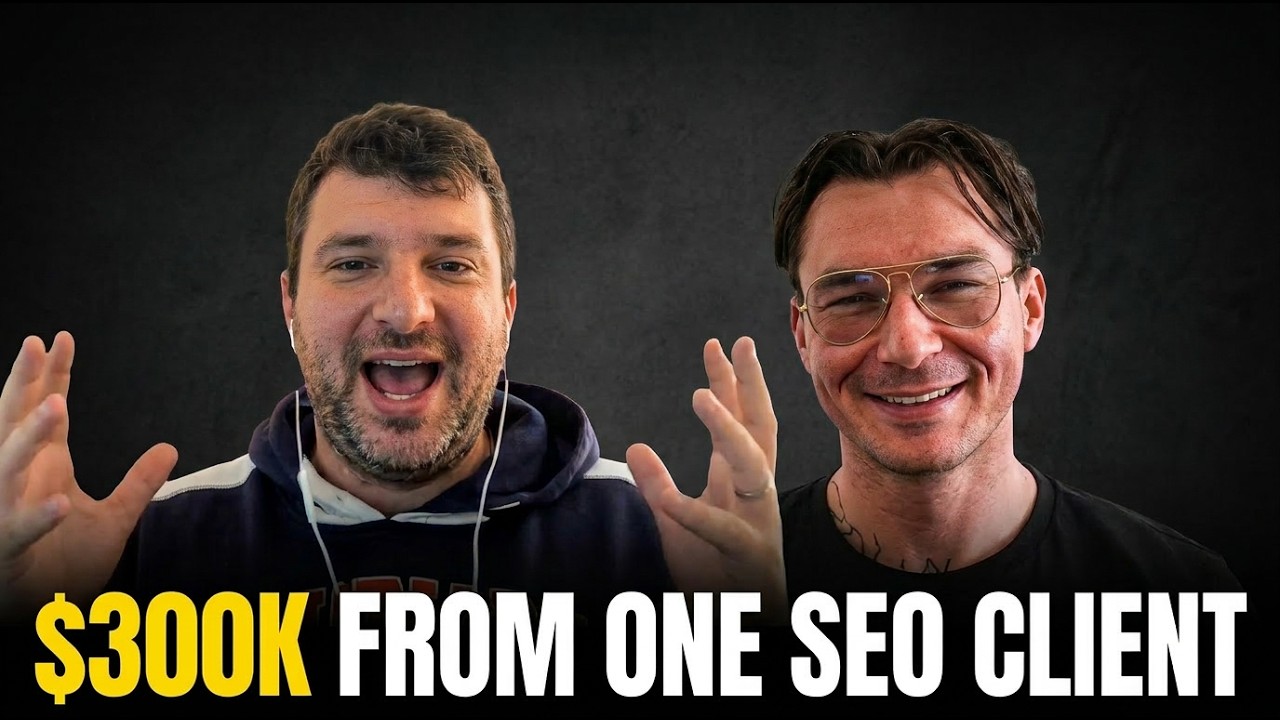
our LTV on that client is going to be somewhere between $300,000 $400,000.
Jordan Lally:23:51
For three months?
Greg:23:53
If they stay with us for three months, like past that three month turn mark, yeah. Yeah, yeah, yeah, yeah, yeah, yeah, yeah, yeah, yeah, yeah, yeah, yeah, yeah No, no, no, no, no,
Greg:24:24
Maybe. And let's say half. I don't know what the number is to be off the top of my head. I used to know it, but half the people get there to that three month line and then the other half don't.
Jordan Lally:24:32
That's pretty good though, still half. Like, obviously we would love to increase it, but just in general, like that's pretty good.
Greg:24:36
Yeah, yeah.
For sure, I would love to increase it, but sometimes people get impatient or it's just not the right fit or whatever. Yeah, it's just that.
Jordan Lally:24:47
I'm asking you about the G100 because it is that's so fucking effective like someone
Greg:24:53
It takes a lot of it takes a lot of work up front. It's not easy, but. Yeah, like. Again, this goes also to the whole like why we're getting out of product high services because like because click funnels slightly click funnels might be like. They might not like what am I going to like? I'm not going to pitch them for link for four articles in eight links right like that doesn't make sense for them. They're getting they're getting 2,000,000. they're getting 2 million visitors a month or whatever it is, a million visitors a month, right? So, but like what their problem might be is like 20 % of their visitors, only 20 % of their pages actually convert and they're not converting optimally. So how do they convert better? And then also like they might have a, they, you know, they might have a CRO problem as well because like they're not, you know, they're not testing their CRO as well as they should be or whatever.
I'm not saying that that's the case because they're a smart company, like, but from an SEO standpoint, it is very opt, it could be very possible that, you know, of the 20 pages, 20 % of the pages that they're, that are actually converting, like they should be optimized better, whether that's through a link building, that's whether they need to be refreshed, rewritten, whether the content needs to be restructured in a, in a way. It could also be that like, Hey, listen, let's get, you know, Russell is very out in front, but you know what, let's get other people more out in front. and increase the visibility of the VP of operate of the VP of marketing or the CMO or whatever it is. And let's get them more visible visibility and and that will increase their AI. Their overall ISEO stuff and visibility and so on and so forth. So like that's sort of. Yeah, that's sort of like how. You know you do it and then you're just like OK, cool. Now I know the problem is let's go get you the solution and here's like with the dream 100. I bring the solution to you in a small way.
So that way you want to hire me to do more.
Jordan Lally:26:52
I am smiling ear to ear right now, because that is exactly what we do, just at scale. A cloud code, I'm not sure if you use cloud code at all, but you have to, right? It's like, why would you use that? I got the idea from Daniel to be fully, fully, fully prepared. He's like, do a G100. I'm like, okay, what is that? And it's what the fuck you just described. I'm like, okay, cool. That takes a long time. How can I speed up this part?
Greg:26:58
Yeah.
Greg:27:02
We do, yes. Yeah, yeah, yeah, for sure.
Greg:27:09
Okay. Yep.
Jordan Lally:27:21
So thank be Jesus, freaking Cloud Code exists. And we essentially use like deep research that process that Cloud Code has. We deep research on the prospect. You write a one-of-one email to that specific company and we obviously say, hey, we bought this free thing that you want. It should apply. Yes. And you can have it like no, no catch, whatever. okay, cool. And like the thing that we're sending them, like you said, it builds trust. It builds goodwill. It builds authority. It's actually good. It's valuable. And it's like, damn. this was for free, I wonder how much, how effective this would be if I actually paid this company. And like you said, you are enrolling two prospects or two clients for every 100 people that you reach out to. That's insane. If you really think about it, that's really, good. So are you the one doing that or do you have a kind of growth or something like that?
Greg:28:10
I know I don't we don't have a head of growth, but I do outsource a lot of it. Yeah, for sure. So a lot of it is with Claude and then like I've trained like a VA to do that. To help me out with it, yeah. Research is a big the research process. A lot of like, you know, we build skills and Claude and things like that to help with that. All that stuff. And so yeah, like so I still I probably spend like I probably spend about an hour a day on it. She probably spends three, four hours a day.
Jordan Lally:28:15
Let's go.
Jordan Lally:28:20
the research process.
Jordan Lally:28:40
Got you got you. And then do you is it linkedin only or do you utilize email?
Greg:28:46
Well, I'll utilize anything linkedin, Instagram, wherever I can find. So that's just it, though. Like how like I'm only because I'm only like sending to these 100 people. It's how do I find them? Like I like call them. I don't care. Like it doesn't matter to me. But yeah, like LinkedIn, email, Instagram, Facebook, ticked wherever they are. If I can find them on tick tock, I'll email DM them on tick tock. I don't care. Twitter doesn't matter to me.
Jordan Lally:28:58
Right, right.
Jordan Lally:29:03
Never sure.
Jordan Lally:29:09
wherever they're at.
I like it. Okay, cool. Looking forward, what do you feel like is in the pipeline that you guys are excited about besides the change in the pricing model?
Greg:29:16
Yeah.
Greg:29:26
so we kind of went through that, like, so we kind of went through like the, the excitement thing. We just kind of got over that. Like, so, in the beginning I thought we talked about like, I was shut down for two years. And that was because like, I hated where I see it, like after two years, and that's cause like, I hated where SEO was going. I hate, I hated the product high service model of it all. And it was literally because it wasn't fun. was crappy content that we were creating. like that everybody is creating. It wasn't even just us. Like the internet, like, like the first page of Google was literally like a joke because it was like, Oh, what's the best software for X or whatever it is. And, know, it's just like a bunch of listicles that are crap and they, um, that they're all SEO related and all that stuff. And like, that's still the case, but, Google is like really getting like, like they're getting better at filtering out the crap. And that's what's really exciting to me.
So it's getting harder to rank. And then with AI, it's getting even harder to like find space to rank. all that stuff is getting really exciting to me. so what has happened for us was instead of keyword research, here's a 10th center word writer who doesn't know the software, who doesn't know anything. He's just doing quote unquote well research. writing and all this other crap. And then we built eight links or whatever and we hope to rank. So like what we're starting to do now is what we and what we have been doing is like we've been create like going way, way, way more in depth with our content. We spend a lot more time like with the client, like we'll do we interview the social media expert or the social media expert, the S SMA. It's the subject matter expert within the company.
We will get will interview sales teams will interview customers So we have like this library of data from from the client themselves before we even start So now when we go and say hey, we want to write this piece of content We want to we're gonna do we have a breadth of data and information like we have first part We have like really strong point of view content. We know As much as we possibly can about them and we do that every month or two
Greg:31:51
where we'll kind of go in and get new data and refresh it and hey, what's changing? What's the new point of view? Things like that. So that's exciting. The other thing that's really exciting is that about 10 years ago when I started my SEO career, 80 % of the work was on page. So in other words, like create more content, right? I would have told, know, 10 years ago, if you would ask me about SEO, would have been like, hey, publish every day. Now, even on my site, I have like 20 to 25 pages and Like I'm still going to publish on my site just to keep keep it fresh and everything like that But like I don't need any more SEO content to really achieve the goals that I need to achieve So instead of having tens of thousands of pages for a big SaaS company or thousands of pages if you're you know Mid-size SaaS company you need hundreds of pages and that's it and then you just need to defend them like quote-unquote defend them in the serp so 20 so now like the the 80 % that that 80 20 is flipped It's 20 % on the site with the content creation, content updates, and then it's 80 % off site. It's about getting your site mentioned in listicles, getting your, your CEO, CMO, whoever on podcasts, getting them on YouTube channels, creating LinkedIn content, writing guest posts with your point of view on there. all those types of things. That's where it's becoming more exciting. And like, I don't know that, that, that just excites me and appeals to be more than.
Like, let's just go build these eight links and write these four pieces of content.
Jordan Lally:33:23
That makes so much more sense. love the approach that you take with interviewing the CMO, CEO, VP, Adam Grove, and then the clients or their customers. That's really fucking awesome.
Greg:33:32
Yeah, we have to because like what happens is is especially so here's here's why we started doing that. Like you take a prompt and it's really good for the for AI. Like you take a prompt and you go in the chat, you pay and you're like, hey, what's the best? I don't know. I have I have a I have a midsize marketing agency. We're based out of New Jersey and we do SEO work for SAS companies and I'm looking for a And right now I'm using ConvertKit, but I'm looking to switch to something else. What should I switch to, right? And then it'll give me an example, lists of examples and things like that. Cool. So that's just one little example. what we found out was like the people who, the customers who were talking to the sales teams.
Like they were saying the prompts out loud to the sales team. So like I get interviewed by a, but let's say I'm getting interviewed by beehive hypothetically. Like they're like, you know, they're going to ask me like, hey, what are you switching from? I'm switching to convert kit. Hey, what kind of business do you have? I have a midsize marketing agency that we're based out of New Jersey, right? What other questions are they going to ask? What features do you want to use? we want to use this, this and this, right? What integrations do you need? Hey, we need it to integrate with WordPress or Webflow or whatever it is. And we have, and we wanted to do these three things. Do you publish? Do you do a podcast? No, we don't need a podcast thing. Okay. So now like all of a sudden I have all the data I need for a, for really, really rich, comparison page, be high versus convert kit. Right? So be hyped as this.
ConvertKit does this. Here's why our clients are switching to be high to be high from ConvertKit. Right. And so now the AI can pull the LLM can pull from that page and be like, here's why. Here's why users say they're switching from ConvertKit to be high. Like that kind of thing. And so, yeah. So, so we find that that sort of level of information, that's what gets, that's what gets cited. That's what gets recommended. That's how the recommendations are made.
Jordan Lally:35:31
Right.
Jordan Lally:35:41
Yeah, very interesting thing where you said about like the longer curie or the longer search term in LLMs because the it's like 80 % of individuals still Google shit on Google, still Google shit on Google. Look up things on Google, but the 20 % and this, this number is completely fucking made up. But 20 % of people that do look up on LLMs, they're like four times.
Greg:35:49
Mm-hmm.
Greg:35:55
For sure.
Greg:36:02
Yeah. Yeah.
Jordan Lally:36:09
more likely to convert because it's a longer search term. They're in mode, you know, and like you're asking questions, like really specific questions.
Greg:36:12
Yeah.
Greg:36:17
I even in Google, I still I will ask Google questions like, what is the best? Like what is the best podcast hosting environment? Right? Like I will ask that. Like that's what I ask. And then it brings it up in the in the AIO. And so that's where I have to get that's where I want to get recommended in there. And so it's like, you know, or hey, does even if it's like does Riverside
Jordan Lally:36:34
Yeah.
Greg:36:46
integrate like I'm going to ask like I'm not going to go to Riverside's website and be like, what are the integrations? I'm to go to Riverside's website. I'm going to go to Google and be like, hey, does Riverside integrate with? I don't know. I'm not familiar with Riverside or podcasting, but like this Riverside integrate with WordPress say like that. I want that in like I'm not going to go and be like to like and then the I want the AI to tell me that it does. And here's the link to it, right? And so that's sort of why. you build those, you interview the sales team or the customers so that way you can find out exactly why they're using the product, what they're asking, what they're asking Google, what they're asking ChatGTP, whoever it is. So that way the answer's already there.
Jordan Lally:37:33
Yeah, I that to be very, very important. especially cause if you're a B2B, if you're a B2B business, I think a lot of individuals are going to use LLMs for search terms and to try to find and extract information opposed to a B2C person where like my parents as an example, they're probably not going inside chat and looking shit up. You're going to go to Google. You know what I mean?
Greg:37:35
Yeah.
Greg:37:47
Yeah.
Greg:37:55
I still don't think so. think like, I mean, maybe it's a generational thing, but like I go to chat. I mean, I go to Claude or chat, GDP and be like, Hey, my, my son is, we're building a reading. We're trying to get a reading list for my son together for the summer. I have a nine year old son. He's into these five things. He's in the Legos. He's in the sports. He's into blah, blah. what books do you recommend for him? Right? Like I do that. What's that?
Jordan Lally:38:21
You Google that?
Greg:38:24
No, I'll chatGTP. I'll ask Google that. Yeah, I don't care. Google chatGTP, But I do ask the LLM that. I do get that specific. Yeah. But usually, I'll ask chatGTP. But that's for my son, though. That's to find out what I want for my son. You know what I mean? I'm a consumer at that point in time.
Jordan Lally:38:32
Right, right, right, right. And you're saying, well you're a business owner, brother. You're like.
Jordan Lally:38:49
Yeah, technically, yeah.
Greg:38:51
Yeah, like I'm trying to build a read. I want to get I want to find like 10 books for my son to read this up.
Jordan Lally:38:57
And I also think, and maybe I didn't explain this very well, but like, you know how to like have good search terms. There we go. Thank you. Yeah. Okay. Okay. Yes. Consumers can like everyday people, like the example you just gave definitely can work with LLMs. I just feel like you...
Greg:39:03
Sure, for sure, for sure. I'm a sophisticated consumer, for sure, 100%.
Jordan Lally:39:23
people that don't use cloud every day or chat every day, they're a first place to go find information.
Greg:39:27
It's still Google. So so they still do. Right. It's still Google. But then, like, I still think the AI mode and AI overview is becoming like it like like I would wrap like if you had to ask me and go into my head, would you rather dominate AIO or chat to pay its AIO every time? Like, you know, like if I get cited, if we get recommended, if the brain gets recommended in AIO versus like and it doesn't get recommended in chat to be, I'm like, all right, cool. Like
Jordan Lally:39:45
Yeah.
Greg:39:55
We'll figure it out. Chachi to be able to see what happens will will will do more stuff there, but cool. We're in it. We're we're in the overview. Perfect, that's yeah, yeah, yeah, I would much go going to your thing 100%.
Jordan Lally:40:02
for sure. Okay.
Jordan Lally:40:08
Okay. And then you brought up defending the domain and defending keywords. What exactly did you mean? How would one defend? Because you said you're not really
Greg:40:19
yeah, yeah, so like like if you have like like if you have 10,000 pages right that you're trying to rank. Like you like eventually somebody is going to catch you. It's just there's nothing you could do about it, but if you have hundreds of pages you could monitor them and be like OK, hey this page went from. Position one to position three. What happened? well, the nature of the search change right? They used to look for service pages. Now they're looking for list poster.
They used to look for list post. Now they're looking for how to post whatever it is. So now you have to rewrite that content. Cool. Or you know what this this person built 35 links. We're only at 20 links. Does that matter? You know what I mean? Like maybe maybe that's an issue. They have more links. They're more pointing to it. That kind of thing might be might be a thing. So or you know now it's oh wait our pages like our brand is no longer getting recommended because of Ex you know, like that service page that we had is no longer. Doing the work anymore is what happened there like is the what happened to the LM like why isn't that? Why isn't it doing that anymore? Do we need to get more? Bram mentions or do we need to you know, do we need to get more visibility? Things like that. Or do we have to add more content to the page like that kind of thing? So if I have 10,000 pages, I can't do that.
But if I have a few like on content company, we have 25 pages. I can monitor every single one of those pages, right? And they're all kind of important. If a bigger SaaS company and I have a team where I'm deploying an agency, they can monitor all 100 posts or all 200 posts or pieces of content and we could defend them. That's what I mean by that, yeah.
Jordan Lally:42:07
Got you. Well, thank you. Yeah, thank you.
Greg:42:10
Yeah, versus 10,000 like there's no way to defend 10,000 pages. Yeah, exactly.
Jordan Lally:42:15
Way too many, yeah. Would you say the funding is more important than content or just really depends on kind of where you're at?
Greg:42:23
It depends on where you are. Yeah, for sure. If you have, you know, if you already have 200,000 visitors a month and you probably just need to start. Defend building, you should be building your brand right? I don't know, like you need really for more people. Former blog post probably not. You know, but we should look at like. Is the the again going back to the 20 % of the pages that are actually converting like where are they ranking? Are they position one or they position eight?
Are they driving recommendations or are they not? Where are recommendations being driven from? Which off page listicles and which off page sites are they driving recommendations? Let's go and do that. yeah, that's where, Yep.
Jordan Lally:43:07
Gotcha. Thank you, Greg. I do wish we had more time, but I'd to end on this question here. What is the best piece of advice you've ever received?
Greg:43:12
Yeah, for sure.
Greg:43:19
the best piece of advice I've ever received.
Jordan Lally:43:23
I know people hate that question.
Greg:43:38
I think the best piece of advice that I never so my grandfather never told me this. So it wasn't a vice, like it wasn't a vice that he was like, hey, work hard. But I got to watch my grandfather work hard. I knew it. So I knew what it was like to wake up at like 430 every morning and come home at night at 1030 every night or 11 o'clock every night. Like and he and I and so I knew what that looked like. And so I got to watch that.
And so like not that he was like hey work hard like people have told me to work hard but seeing Matt and and watching that was sort of like the best.
I'll say thing that's that that kind of has ever really happened to me in terms of like driving what my What my ambitions are and things like that. So yeah
Jordan Lally:44:24
And that to piggyback off that I really think that is by definition words speak louder or actions. Absolutely. He didn't have to tell you that.
Greg:44:30
Actions speak louder than words, correct? Yep. Yep. Yeah, he was he, you know, as a nine year old, 10 year old, 11 year old boy, he was the most successful person I know. And it was because like he was waking up at 430. We could talk about work life balance all we want, but like he was waking up at 430 and he wasn't at home until, you know, late at night. So, yeah. Yeah.
Jordan Lally:44:54
That is a good topic to actually discuss. But what can they find you that would have to explore your work for them, right?
Greg:45:01
Yeah, so I'm on LinkedIn as for most active so LinkedIn Greg Deneo content copy.com and Greg at content copy.com.
Jordan Lally:45:12
I love the domain name. That's super cool. I got you. Cool. Well, Greg, thanks again for hopping on. we'll talk. Yes, Yes, sir.
Greg:45:14
Thanks.
Greg:45:18
Thanks so much, man. This was awesome. Thank you. I had a lot of fun. Take care.